
Amphitheatre of Durrës
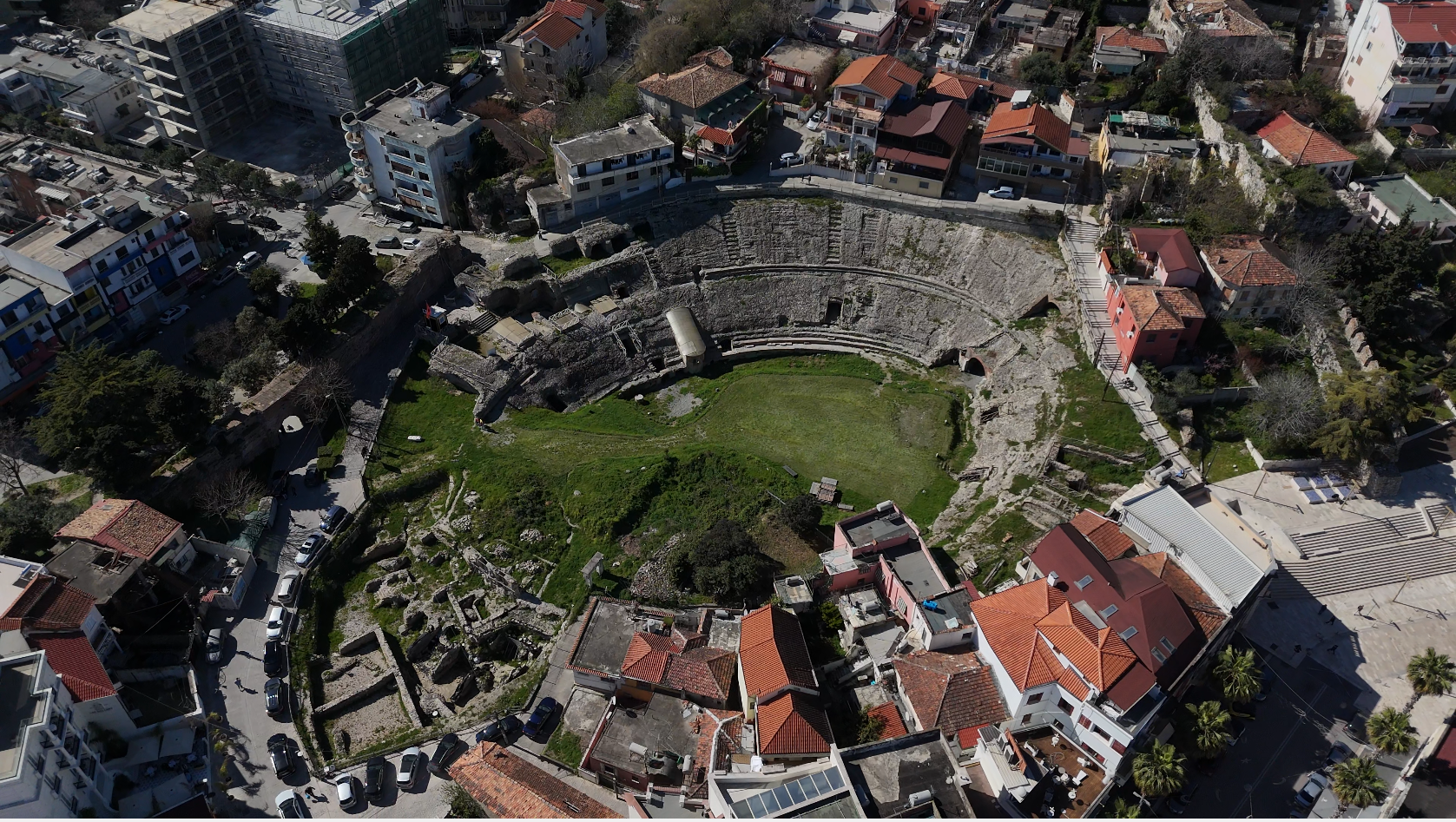
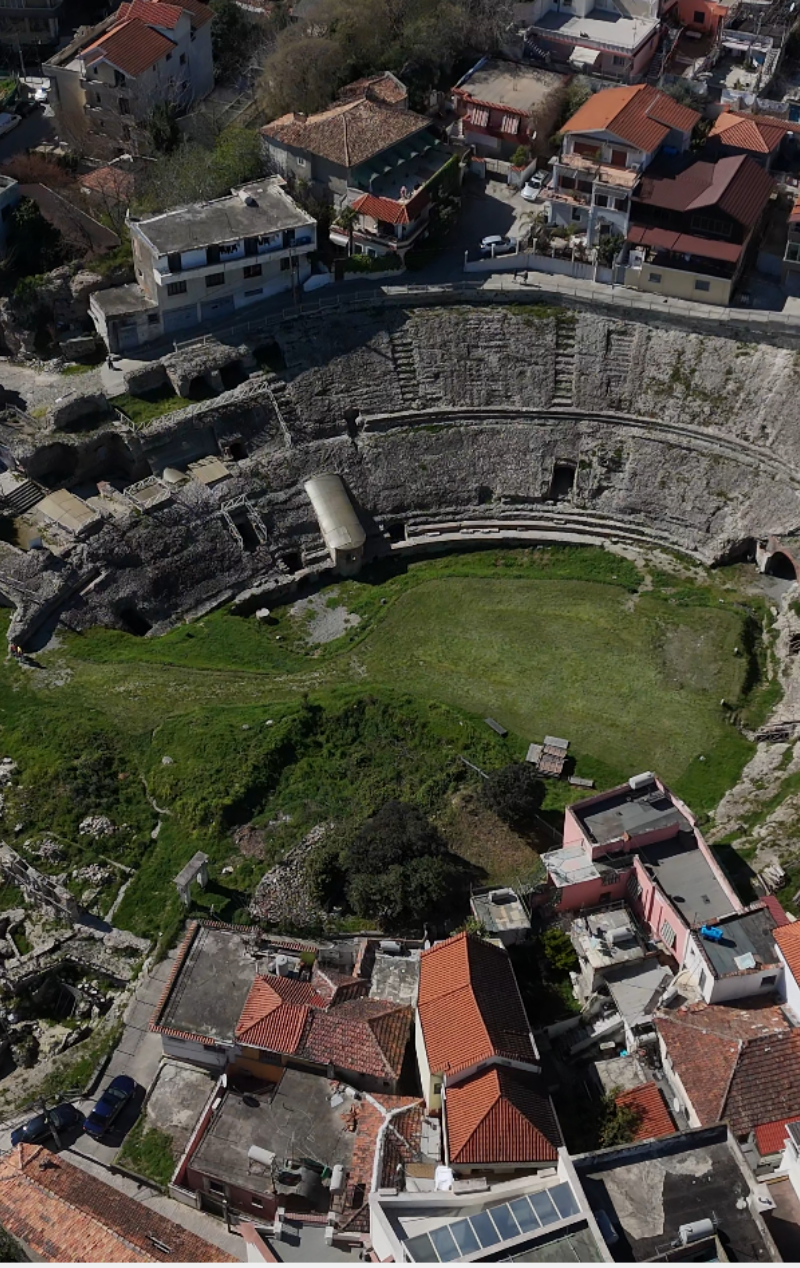
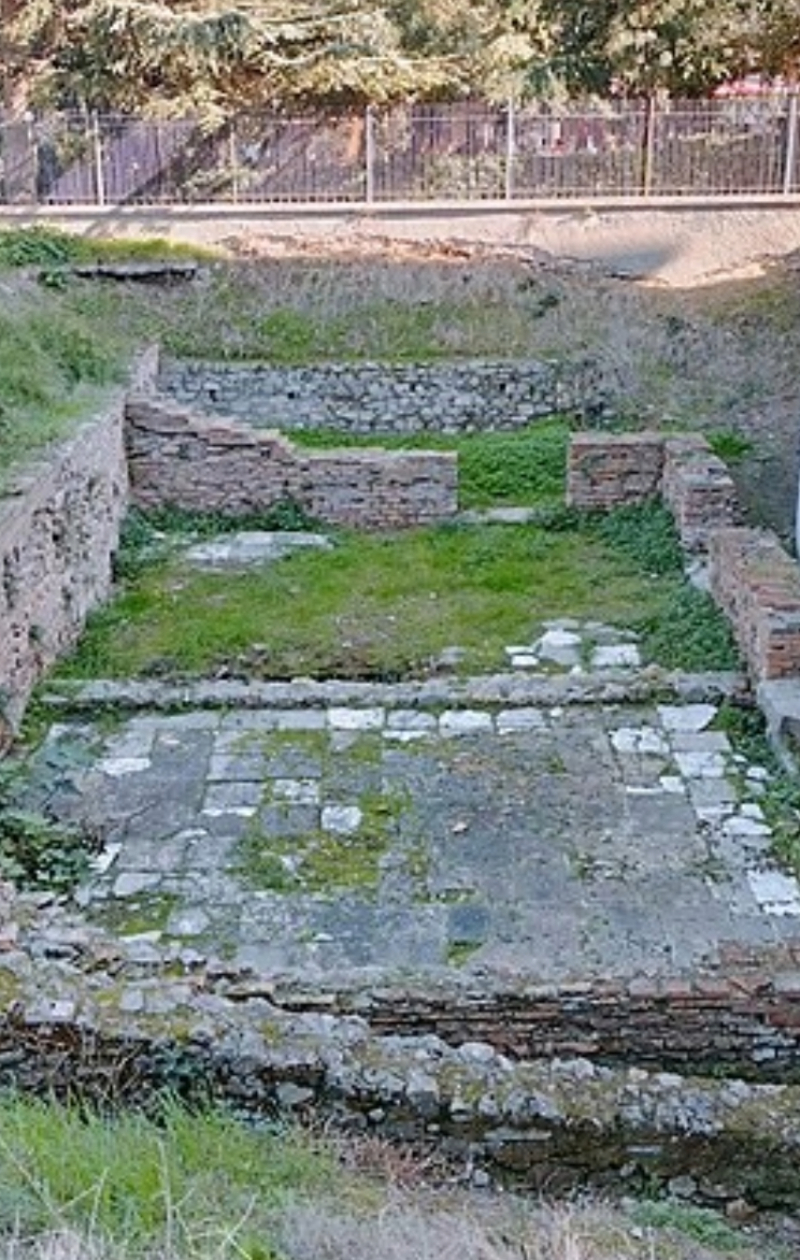
The Amphitheater in Durrës was built by the Romans more than 2,000 years ago, one of over 200 amphitheaters constructed throughout their vast empire. When famed historian Marin Barleti (Mah-reen Bahr-leh-tee) saw it in the fifteenth century, he declared: “In Durrës… an arena or an amphitheater has been built with an admirable skill and mastery.” Even though by this time, the 2nd-century colossus of Roman architecture had suffered significant damage. Nonetheless, the monument retains its glory to this day, as it resides in the city’s contemporary landscape. Located in the western part of the ancient city, a few steps from the Adriatic coast, the remarkable structure was built at the height of Roman architecture. It is often hailed as “one of Trajan’s marvels,” one of the Five Good Roman Emperors who ruled the Roman Empire from 98 to 117 A.D., though some historians point to its construction occurring during the reign of Trajan’s successor, Hadrian, who is responsible for other notable structures like the aqueduct and Roman baths.
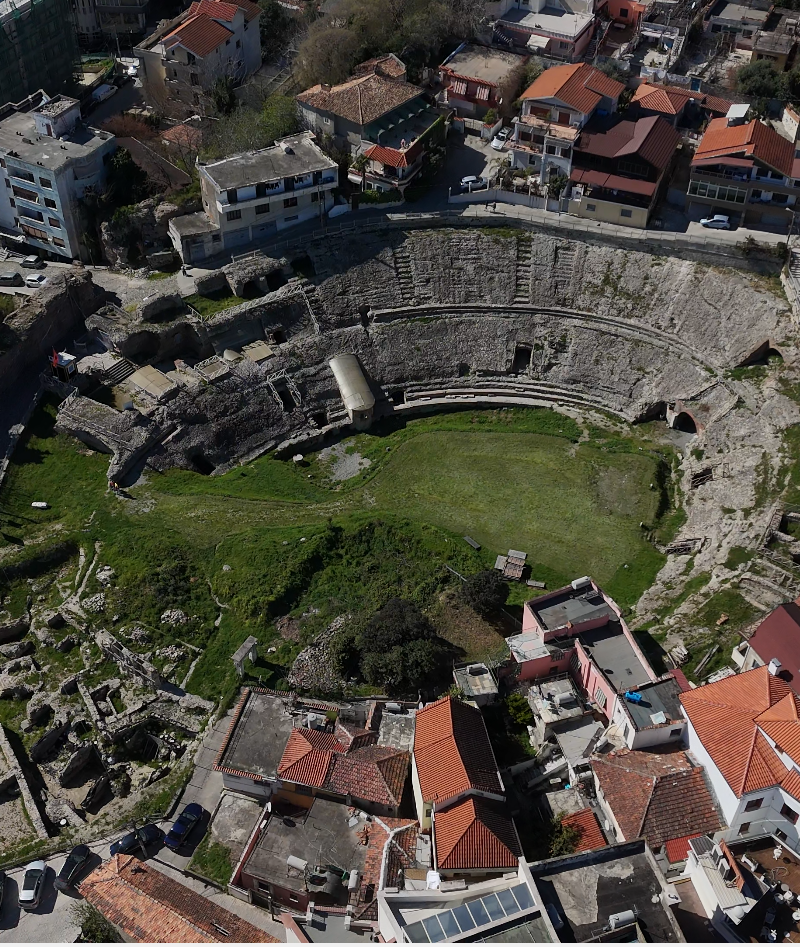
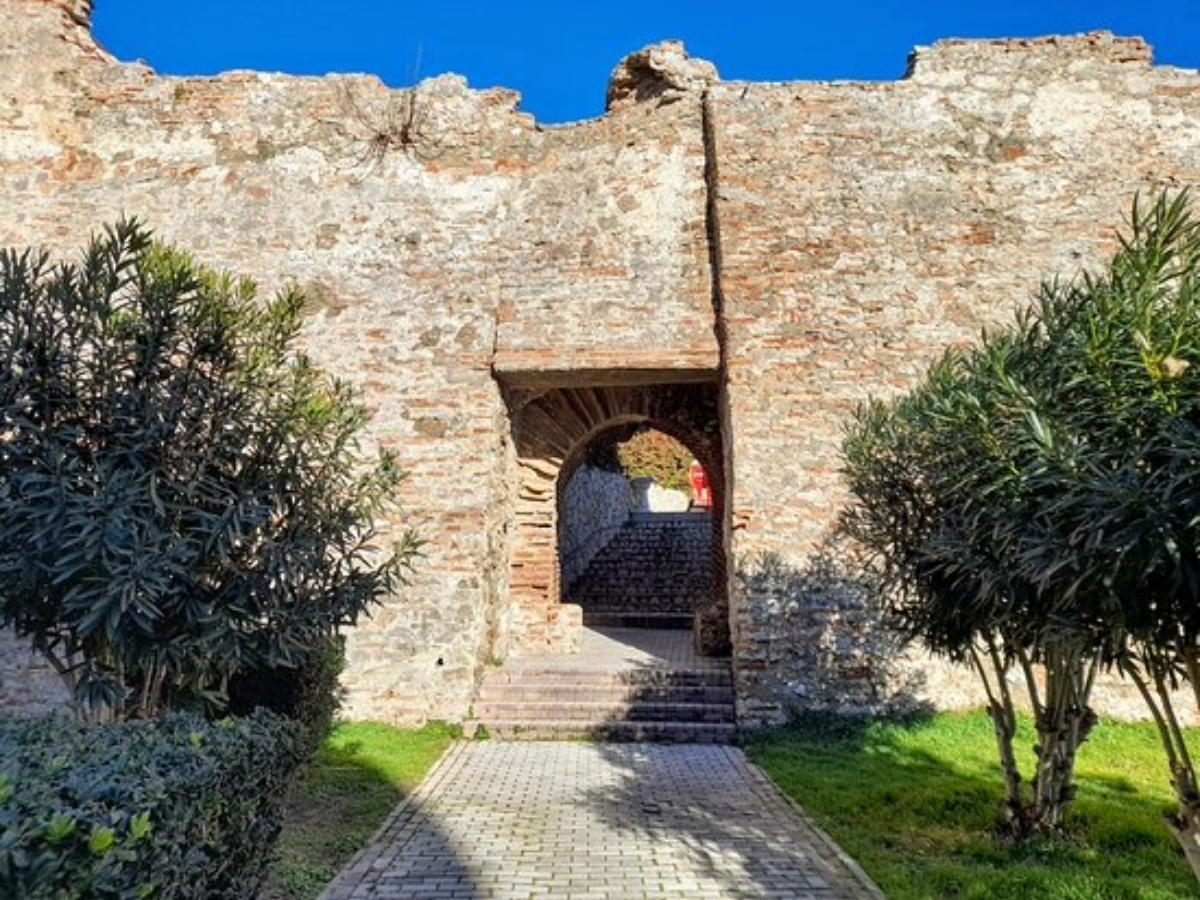
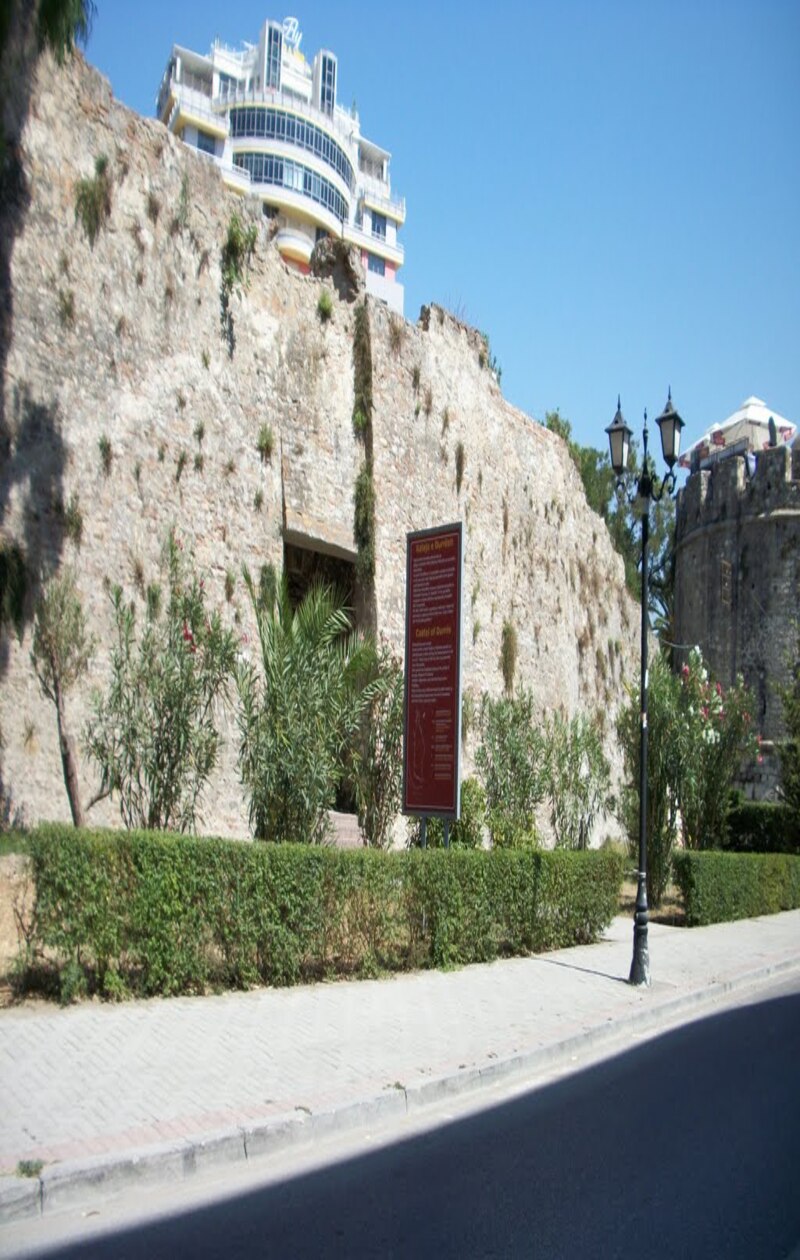
The surrounding fortification walls were erected much later, in the 6th century A.D., during the reign of the Durrës-born Roman emperor Anastasius I Dicorus (who reigned from 491 to 518 A.D.). Only one half of the oval-shaped monument has been excavated and is currently visible. Constructed by local masters, the amphitheater was constructed using opus incertum, a Roman construction technique which alternates rows of brick with a mix of stones and mortar, and which was designed to withstand earthquakes, which were a common occurrence in Durrës. The entertaining and often brutal gladiator spectacles constituted a point of climax for the Durrës Amphitheater, which could accommodate 15,000 to 20,000 spectators in its tiered staircases. The underground tunnels, known as vomitoria, functioned as paths to the arena for the gladiators, beasts, marshals, and other spectator game participants.
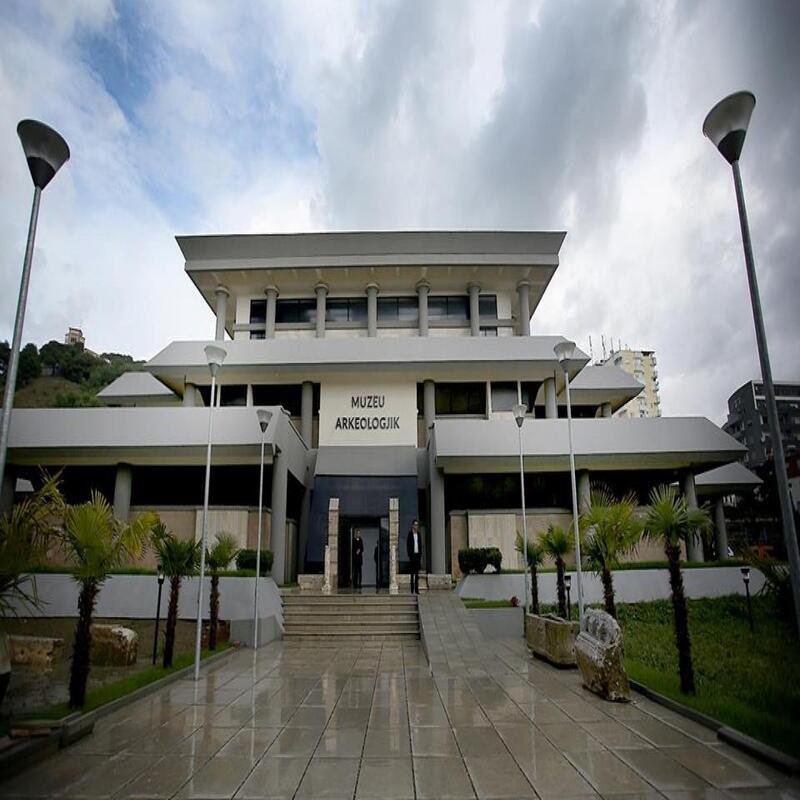
The Archaeological Museum
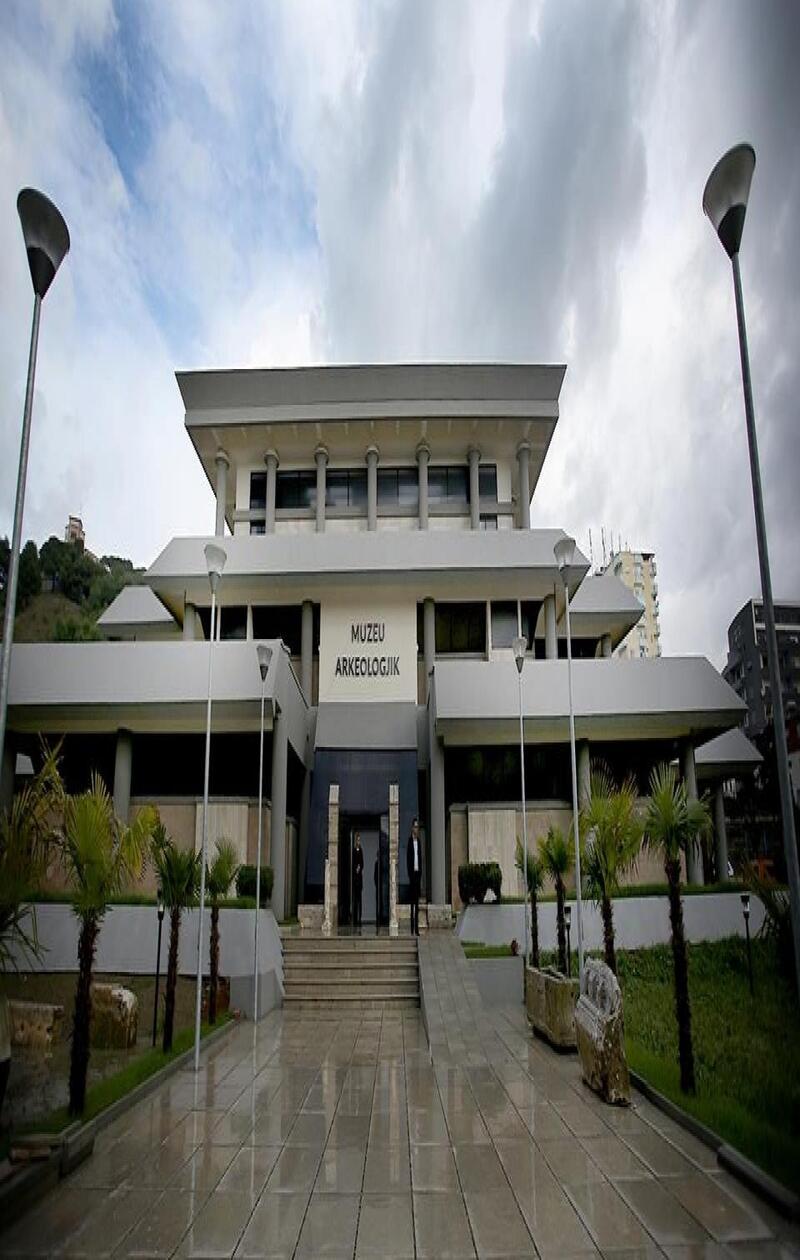
The Durrës Archaeological Museum is the largest of its kind in Albania, offering a comprehensive overview of the city’s ancient history through the centuries. Located on Taulantia Street since 2015, the museum holds over 3,000 artifacts discovered in Durrës — a city often referred to as an “underground museum.”
The collection includes objects from 3000 B.C. Dyrrhachium, the Greek colony of Epidamnus, and the Hellenistic, Roman, and Illyrian periods. Visitors are welcomed by a statue of Gaea and can explore exhibits featuring sculptures, ceramics, amphorae, coins, and ancient jewelry. The museum’s pavilions trace the development of Durrës as a political, economic, and religious center, from antiquity to the Ottoman and socialist periods.
It offers a unique cultural experience that connects East and West through the city’s rich history, art, and heritage.
Archaeological Centers
Date
-
Jun 5 2025 - Jun 5 2025
Date
-
Oct 4 2019 - Oct 4 2019
Date
-
Oct 4 2019 - Oct 4 2019
Date
-
Sep 26 2019 - Sep 26 2019
Date
-
Jun 28 2025 - Jun 28 2025
Date
-
Sep 26 2019 - Sep 26 2019
Date
-
Oct 4 2019 - Oct 4 2019
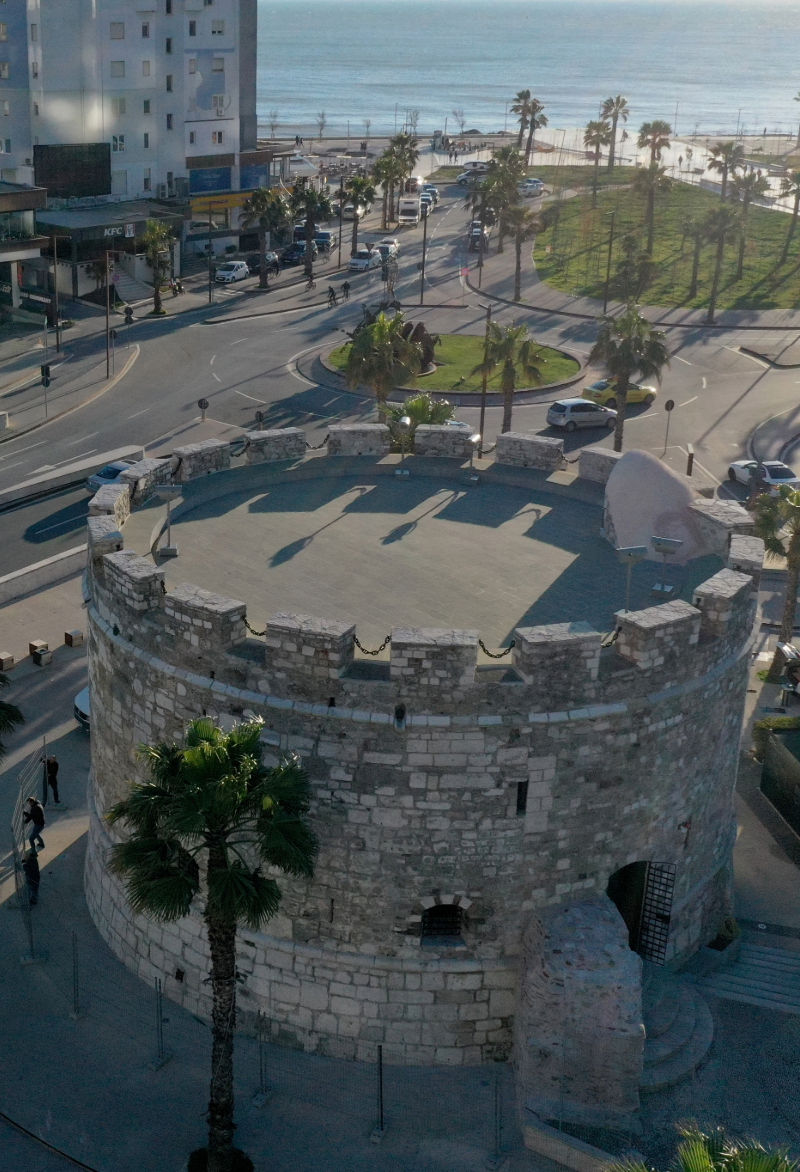
The Venetian Tower of Durrës
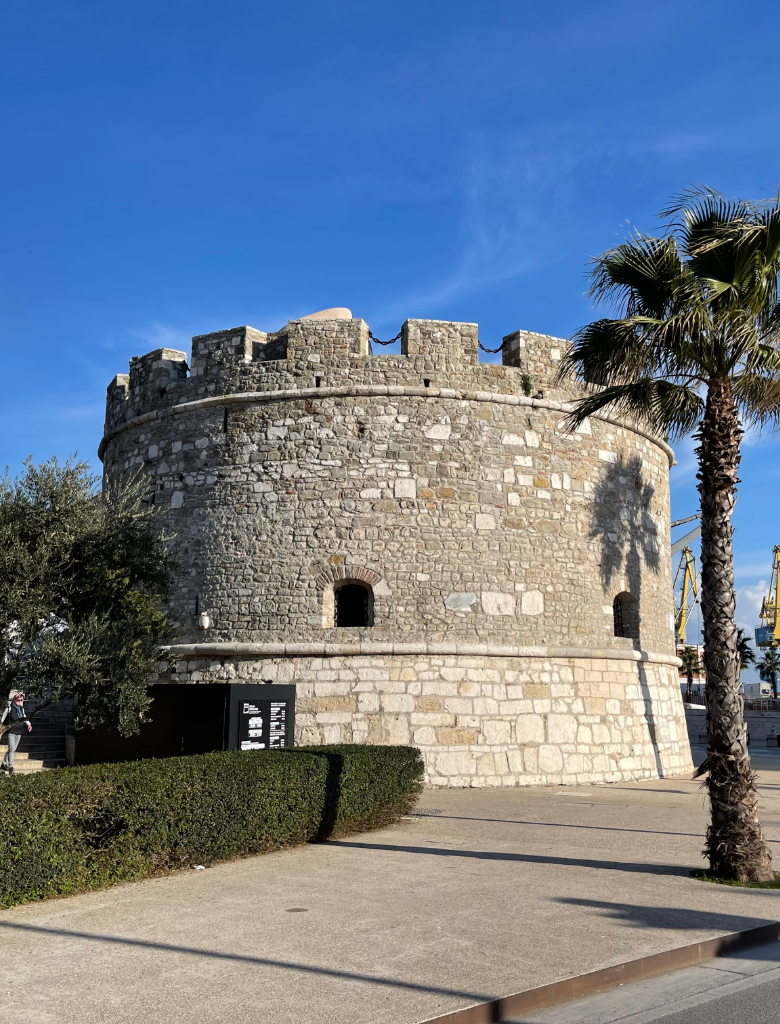
The Venetian Tower
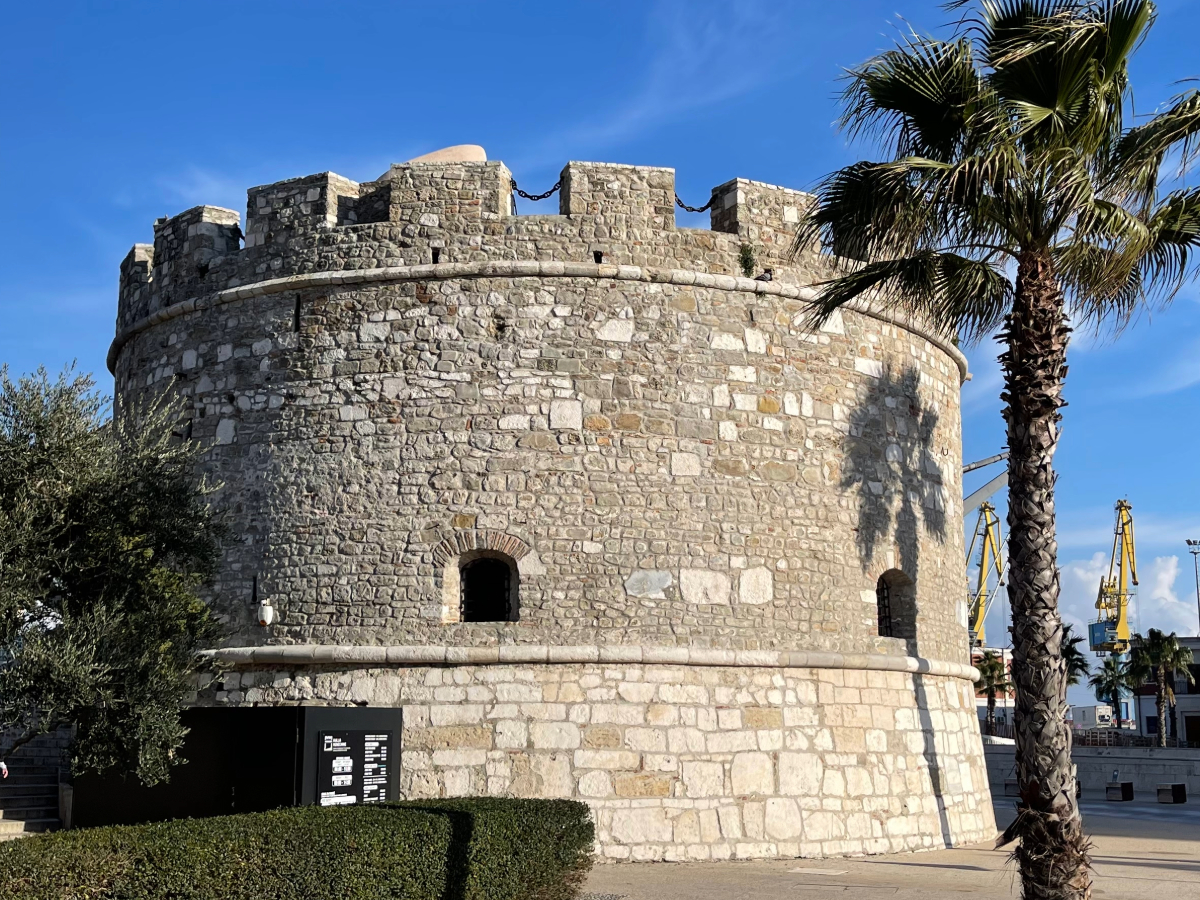
The Venetian Tower is a notable attraction in the city-port, forming part of the Castle of Durrës, one of the most potent fortresses in the Middle Ages along the western coast of the Adriatic Sea. Although it is just one element of the fortification, the tower, which was built in the 15th century, has become a significant monument in Durrës. It is located near the coast along the wall that leads to the old acropolis and King Zog's (Zohg) villa, making it a prominent site to see. The Venetian Tower now stands alone — but it was originally part of a system of towers that guarded the fortification, following a well-planned and advanced system of principles in the Middle Ages. The towers were spaced out at regular intervals of 60 to 65 meters, providing a panoramic view of the surrounding landscape. Each tower, 18 meters high and separated into three stories by wooden floors, had a designated purpose. The first floor was for storage, the second for archers, and the third and uppermost floor for lancers. The Venetian Tower is the most well-preserved of these towers and was even used during the Italian invasion of 1939. The Venetian Tower was constructed during a period when artillery was becoming a common tactic of attack and defense; it was designed to be tall to provide clear views and hinder attackers. Its walls, made entirely of quadrangular blocks, were thick enough to withstand heavy artillery attacks.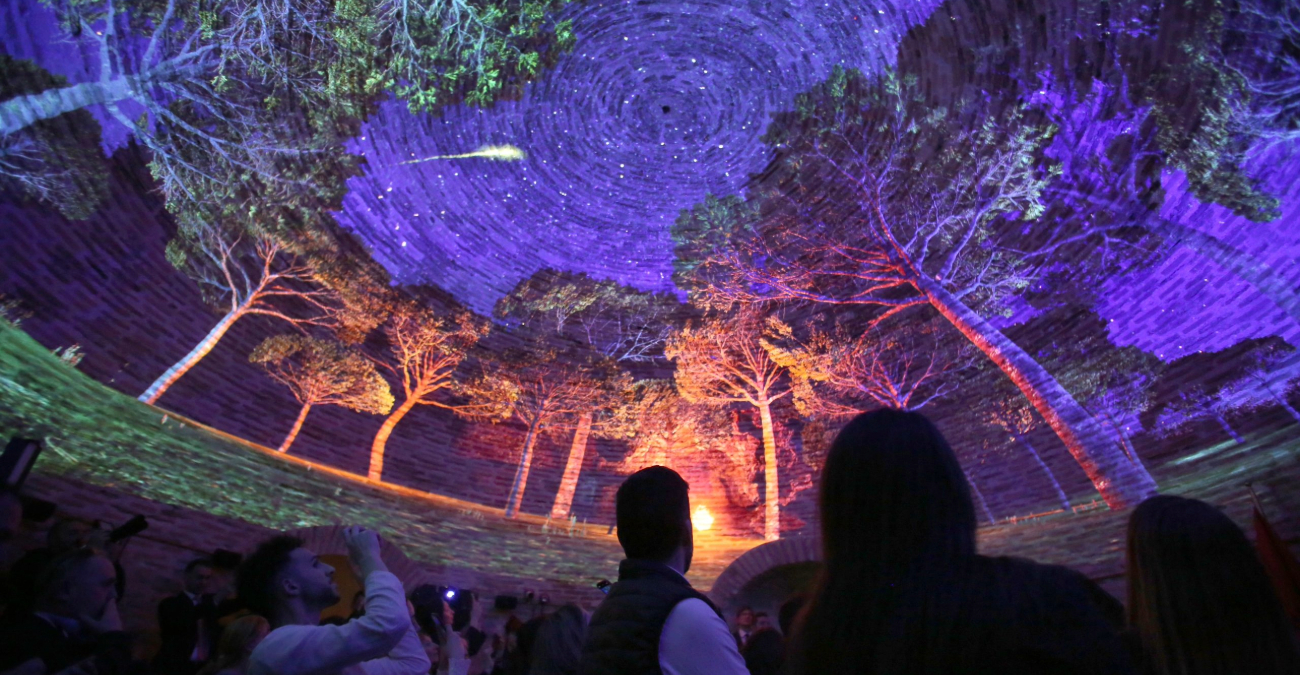
Audio System at the Venetian Tower
In 2023, the Venetian Tower introduced a multilingual audio guide system to enrich the visitor experience. Using portable devices or smartphones, guests can listen to narrated stories, historical facts, and expert commentary as they explore the tower. From its Venetian construction in 1501 to its role in coastal defense, each point of interest is brought to life through vivid audio storytelling. This system makes history more accessible and personal, allowing every visitor to experience the tower’s legacy at their own pace.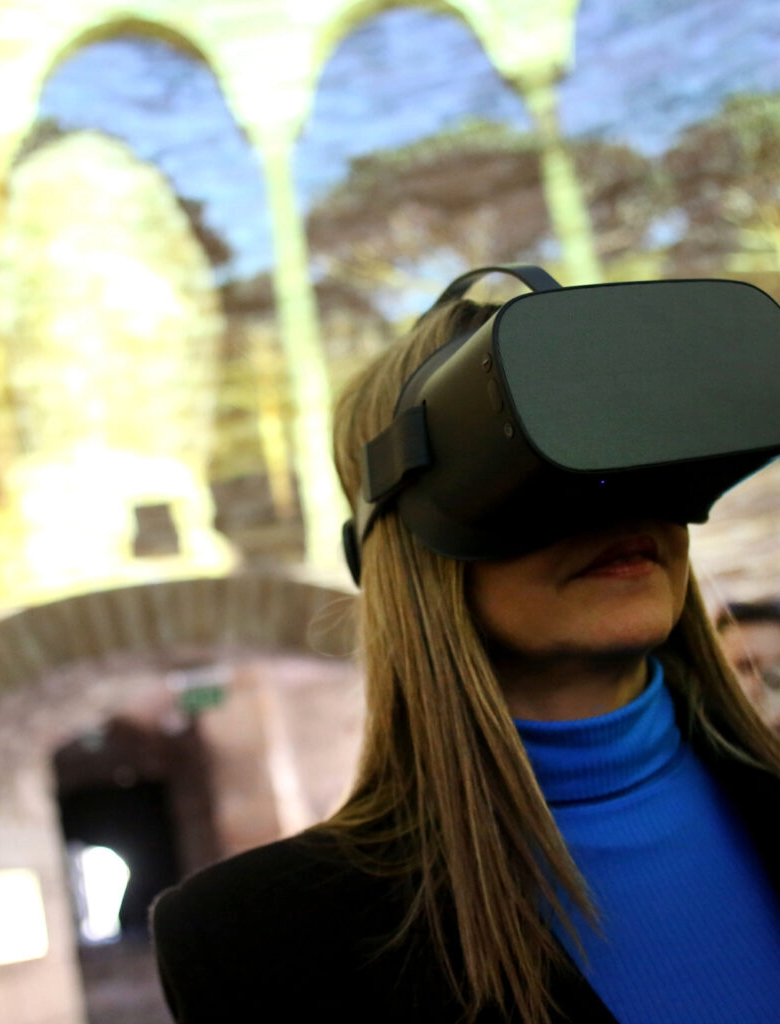
VR Glasses at the Venetian Tower
In 2024, as part of efforts to make history more engaging and accessible, the Venetian Tower was equipped with VR glasses. These augmented reality devices offer an immersive journey into the past, visually reconstructing the tower’s original appearance and purpose. Visitors can witness scenes of medieval life, defense strategies, and architectural evolution over the centuries. This fusion of technology and heritage brings history to life, transforming the visit into a rich, educational, and modern experience.Event news
Stay connected with the cultural pulse of Durrës! Subscribe to receive updates on upcoming exhibitions, special events, and behind-the-scenes stories from the Qendra Muzeore Durrës — delivered straight to your inbox.